
Zeliha Selen Çakır – Marketing Communications Executive, MoneyPay
“Psychology isn’t just an academic discipline for me; applying insights about human behavior in my work is what motivates me every day.”
Quick Bio
Undergraduate: Psychology, Sabancı University, 2020
Master’s Degree: MBA, Sabancı University, 2021
During Undergraduate Studies: Clinical internship at Acibadem Healthcare Group; Sports psychology internship at Fenerbahce Sports Club
Previous Positions:
• Marketing Specialist, Hopi (2022–2024)
• Marketing Communication Specialist, Pazarama (2024–2025)
• Human Resources Project Member, Nestlé Türkiye (July 2021–November 2021)
Current Position: Marketing Communication Executive – MoneyPay
Location: İstanbul, Türkiye
Short Q&A
What does your current job involve? What’s a typical day like?
At the moment, I work on both B2C (business-to-consumer) and B2B (business-to-business) marketing at MoneyPay. But my main focus is on B2B since we offer services directly to companies such as employee benefits solutions and collection systems. In a way, I’d say I’m currently reinterpreting all the marketing knowledge I’ve gained through a B2B lens. Some days I’m working on creative copy or visuals; other days I’m conducting data-driven target audience analyses or evaluating campaign performance. And when I wrap up the day, I find myself asking, “How does this solution make people feel?”
How did your psychology education at SU support your transition into work life?
Its biggest contribution was teaching me how to be genuinely curious. Understanding people isn’t just about empathy. It’s also about being able to see a situation from someone else’s perspective, both technically and behaviorally. Thanks to my psychology education, I learned to move between different disciplines and to think in a multidimensional way. I regularly apply this perspective in my work. Today, when I develop marketing strategies I can focus on both data and people because my psychology training allows me to do so.
After graduation, did you enter this field directly, or how did your journey unfold?
Honestly, I didn’t enter this field directly. I explored different branches of psychology and did internships in both the healthcare sector and sports psychology. Later, with my MBA, I was able to draw a clearer path for myself in the corporate world. I decided to move forward by integrating psychology into business life. My experience in human resources taught me a lot and now I’m experiencing the power of psychology firsthand in marketing.
How has your research experience at SU influenced your work today?
Research sits at the very center of marketing. You need to be familiar with the details of studies on brand health, awareness, and industry analyses. The research-based education at Sabancı equipped me to understand underlying methodologies and to see why research companies make the recommendations they do. I can evaluate which metrics truly matter and interpret what different results actually mean, which gives me a major advantage in the decision-making process.
What was your favorite course in the psychology program, and why?
One of my favorite courses was “Memory.” Learning how cognitive systems work and discovering the dynamic and error-prone nature of memory was incredibly eye-opening. Today, when I analyze consumer behavior, I often observe how people’s past experiences and the way they’re encoded in memory shape decision-making processes.
Another favorite was “Stress and Well-Being.” It increased my personal awareness and helped me understand the different types of stress I encounter in professional life. I especially notice how valuable this knowledge is in moments of decision-making at work or during crisis management.
What advice would you give to current undergraduates?
Psychology is a highly impactful field, but there is also a risk of staying at a surface level. My advice is this: rather than getting lost in general knowledge, aim to make a difference by going deep in one area. Psychology extends far beyond clinical practice and intersects with fields such as corporate life, technology, and design, just to name a few. It is possible to specialize in these areas by applying psychological knowledge. Regularly ask yourself “What don’t I want to do?”, Even that question can help clarify your path.
What would you say to a student who’s considering psychology but still unsure?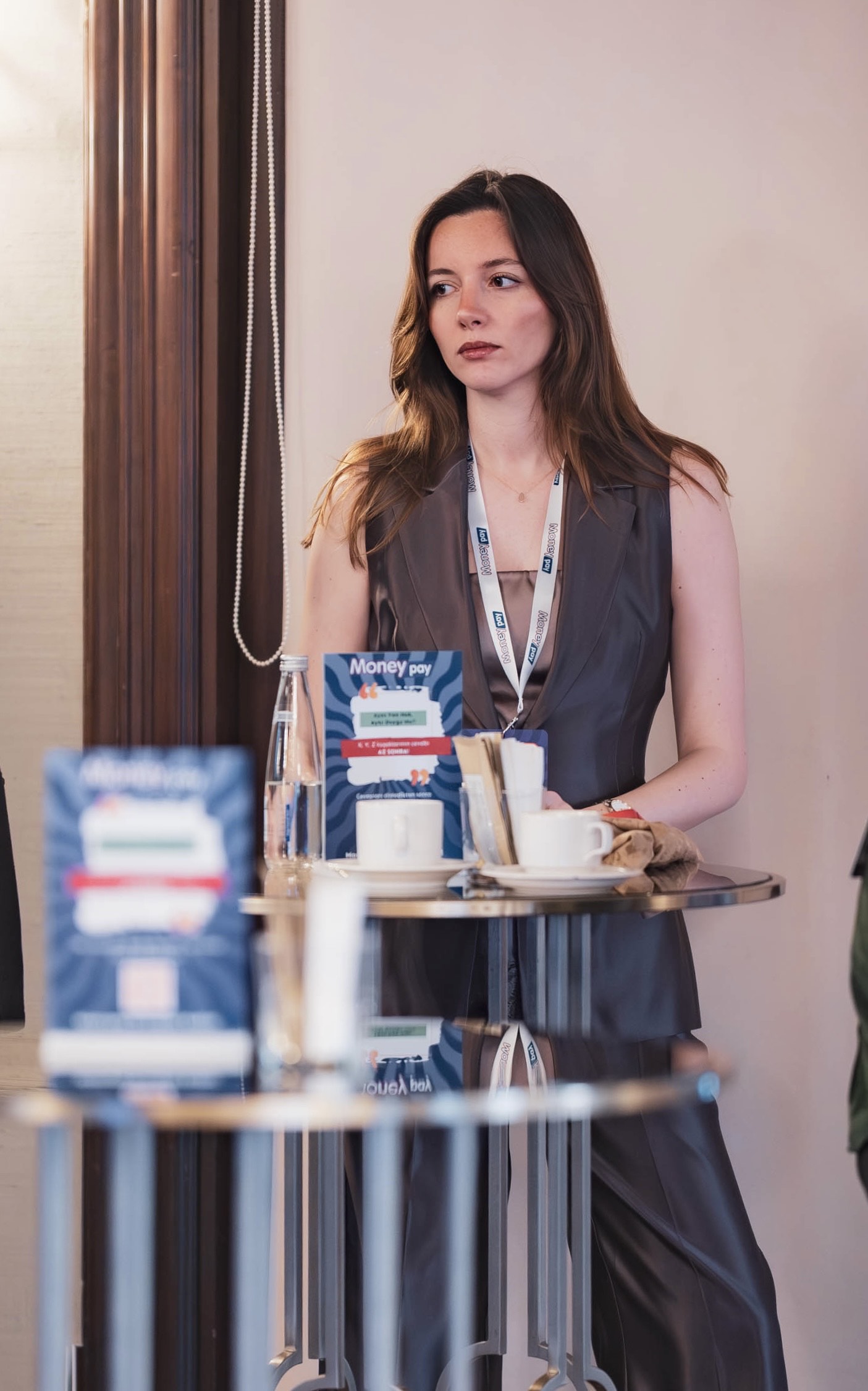
Psychology is truly a limitless field. At times, its breadth can make you feel a little lost, but that experience is also part of the process of learning how to grow and think from multiple perspectives. For anyone who wants to understand themselves, other people, and the world, it offers an exceptional foundation. After graduation, you do not necessarily have to be sitting in a therapy room. Like me, you can work in areas such as marketing or product development. What matters most is how you apply your psychological knowledge.
How did your background in psychology help you stand out in job interviews?
My education in Psychology taught me not only how to express myself, but also how to understand other people's expectations, priorities, and decision-making dynamics. During an interview, I don’t just focus on “telling my side of the story”. I’m also able to read what the other person wants to hear and which personality traits they see as the best fit for a given role. This allows me to approach the interview not as a one-sided evaluation, but as a mutual search for alignment. Especially in behavioral questions, my answers don’t just show how I approach situations; they also reveal my thought processes. This is one of the strongest advantages of a psychology background: the ability to structure both thinking and communication.
Do you often meet other Sabancı graduates at work? How does it affect your work relationships?
Yes, I am still in touch with some of my professors. During my MBA, I often had the opportunity to run into them on campus and have meaningful conversations. I also stay connected with other professors through various projects. Maintaining these academic relationships after graduation has been incredibly helpful. One of Sabancı’s greatest contributions to me has been this strong and lasting network.